Five Early Questions to Ask When Planning a More Efficient Depot
Whether you are upgrading a parcel depot, planning a retrofit project or trying to improve day to day performance, the biggest gains usually come from decisions made early in the process. Before layouts are drafted and equipment is considered, the most effective depots start with a clear understanding of the real constraints inside their operation.
These five questions help uncover hidden bottlenecks, expose long term structural issues and build the foundations for a depot that can handle modern parcel volumes, mixed fleets and seasonal peaks with confidence.
1. Where does the flow actually slow down today, not where we assume it slows down?
Every depot has opinions about where the bottleneck is.
Sometimes it is the sorter. Sometimes it is the yard.
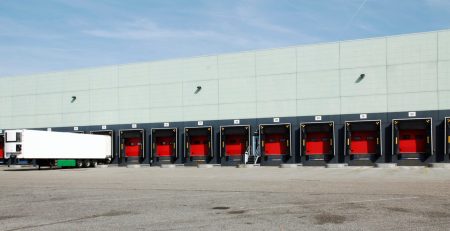
But in many cases, the real slowdown occurs at the loading bay.
To diagnose real constraints:
- Track dwell time by door
- Measure loading times for vans and trailers separately
- Compare performance between shifts
- Observe where operators spend most of their time walking or climbing
- Identify doors that consistently overrun their windows
This data reveals where throughput is truly being limited.
Most depots discover that small inefficiencies at the dock have a greater impact than expected.
2. How well does the current dock handle the fleet we actually run?
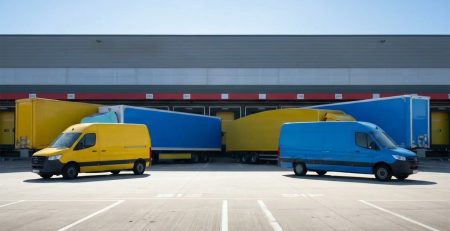
Many depots were built for a fleet that no longer exists. Today’s operations include:
- Trunk trailers
- Rigid vehicles
- Subcontractor fleets
- Small last mile vans
- New vehicle types entering the network
The original dock layout rarely accommodates this diversity.
Ask:
- Do vans slow down certain bays?
- Do height differences force operators into awkward movements?
- Do some vehicles need special workarounds?
- Are certain doors avoided because they are too slow for small vehicles?
When dock geometry no longer matches the fleet, cycle times suffer and physical strain increases.
Addressing this mismatch early leads to smoother, faster operations.
3. How much of the current process relies on manual handling?
Manual handling is often the root cause of:
- Fatigue
- Inconsistent workflow
- Extended dwell time
- Increased injury risk
- Operator churn
- Difficulty training new starters
Understanding where manual effort is driving delays helps prioritise improvements.
Look for:
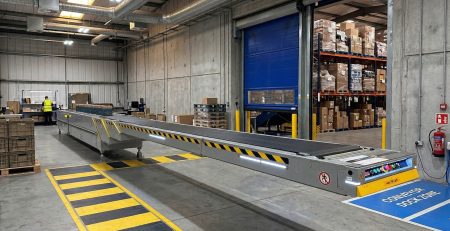
- Frequent climbing in and out of vehicles
- Bending to floor level inside vans
- Heavy reliance on hand stacking
- Operators handling parcels deep inside trailers
- Teams improvising because equipment cannot reach
Every one of these creates variation that affects both safety and throughput.
4. Which operational patterns create instability during peak?
Most depots can run comfortably in normal periods.
Peak season exposes structural weaknesses.
Consider:
- Which doors become overloaded first
- Where queues form in the yard
- How much vehicle type mix changes during peak
- When dwell time creeps upward
- How quickly fatigue shows up on shift during high volume days
- Whether certain workflows collapse under pressure
Understanding these patterns early ensures that improvements are not optimised for normal days while failing when it matters most.
5. What flexibility will we need in the next three to five years?
Parcel networks are evolving quickly.
Planning only for today’s needs creates a short lived solution.
Think ahead:
- Will the fleet continue to diversify?
- Will volume growth require more doors or faster turnaround?
- Could automation expand deeper into the loading area?
- Will the depot need to accommodate multiple vehicle types at the same bay?
- Could retrofits be needed in stages rather than all at once?
This forward view shapes decisions about modularity, space use, controls integration and layout design.
Depots that plan for flexibility now avoid costly redesigns later.
How These Five Questions Shape a Better Depot
These questions help identify the structural issues that quietly undermine performance:
- Mixed fleet mismatches
- Heavy reliance on manual handling
- Inconsistent processes
- Lack of multi bay capability
- Outdated dock geometry
- Insufficient ergonomic support
- Unpredictable dwell time patterns
By addressing them early, planners create depots that are:
- Safer
- Faster
- Easier to staff
- More resilient in peak season
- More adaptable to future change
This approach leads to better decisions and far greater confidence in long term performance improvements.
Wrapping Up
Efficient depots are not built through guesswork or by simply adding more equipment. They begin with a clear understanding of where flow slows down, how the fleet uses the dock, how much manual handling is involved, where peak pressure breaks the system and what flexibility the future will demand. When you start with these five questions, every decision becomes sharper, more informed and more effective.