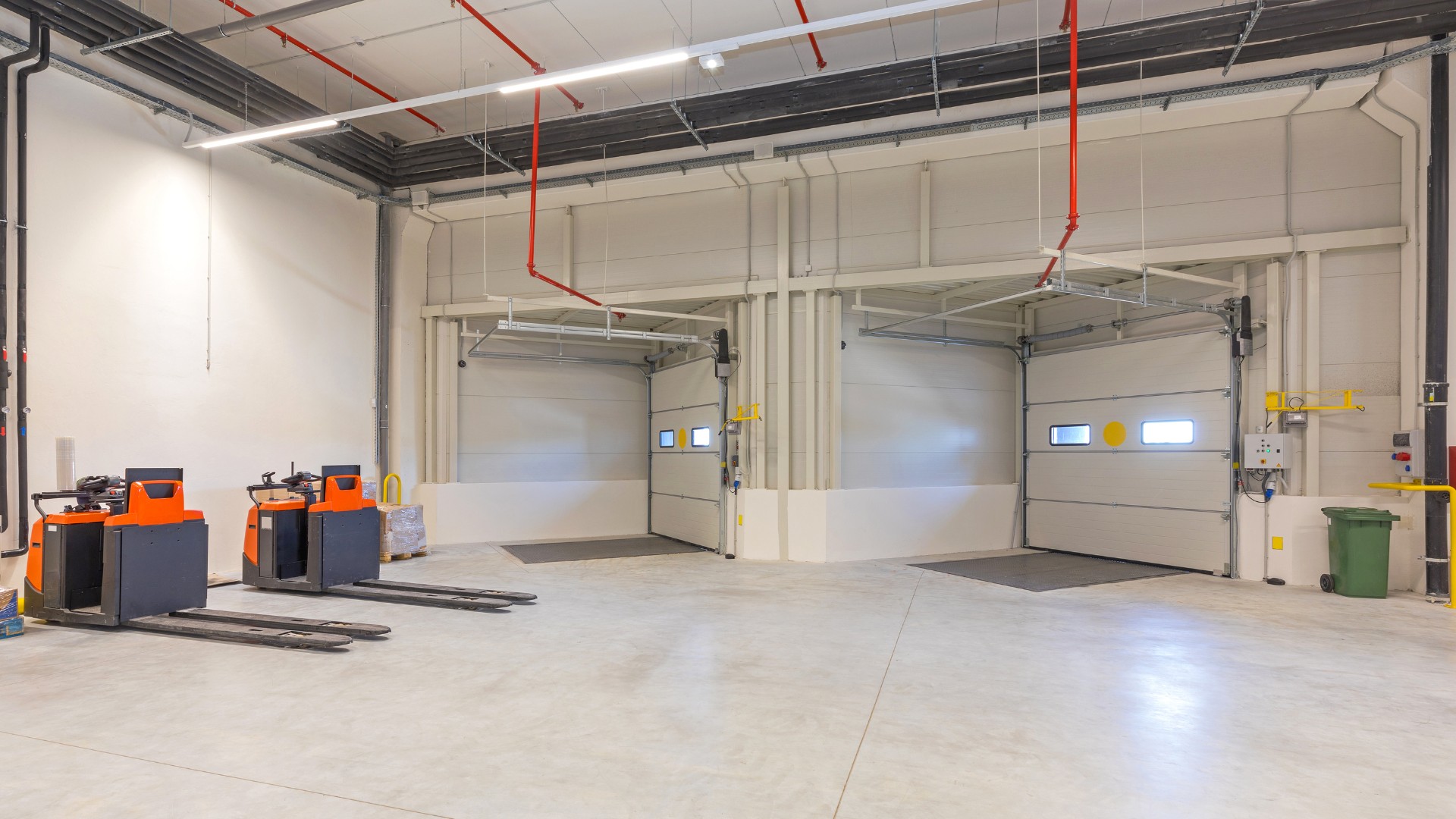
Four Signs Your Loading Bays Are Quietly Undermining Your Peak Season Plan
Every year, parcel networks plan meticulously for peak season. They adjust linehaul schedules, expand labour pools, tune sortation logic and reinforce customer communications. Yet despite all that preparation, the same problem surfaces in countless depots: the loading bays struggle long before the sorter does.
In many hubs, peak season performance is not determined by automation or yard capacity but by how effectively each dock door can move vehicles through the system. The catch is that the signs of a struggling dock often appear weeks before peak volumes truly hit. Operators may see small inefficiencies, but do not always connect them to the larger risk building beneath the surface.
This article outlines the four most reliable indicators that your loading bays may quietly undermine your peak season performance, along with practical guidance on what to do before the pressure arrives.
1. Trailers or vans regularly overrun their planned loading window
Every depot sets targets for how long a vehicle should occupy a bay. When things run smoothly, these targets line up with dispatch waves and linehaul schedules. Problems begin when vehicles:
- Stay ten to twenty minutes longer than expected
- Queue outside even when the sorter has capacity
- Leave late despite enough staffing on the shift
These overruns signal that turnaround time is starting to drift, and drift is dangerous during peak. A ten minute delay in normal season can become a thirty minute delay under pressure, especially when fatigue rises and volumes surge.
Key causes often include:
- Heavy manual handling inside trailers
- Small vans docking at bays designed for trailers
- Operators climbing in and out of vehicles repeatedly
- Inconsistent workflow patterns between shifts
If cycle times are slipping even before peak begins, the loading bay will almost certainly become a bottleneck once volumes rise.
2. Vans create visible slowdowns across the dock
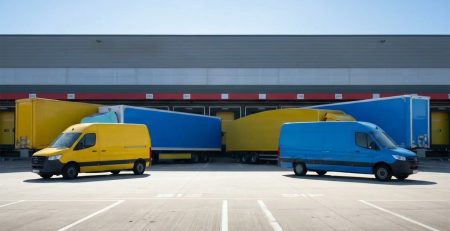
Mixed fleets are a fact of life in parcel logistics, but they present a real structural problem for most depots. When a low floor van docks at a trailer height bay, operators must compensate physically. Tasks that should be quick become awkward.
Common signs include:
- Vans taking far longer to load than trailers
- Operators bending to floor level or stepping off the dock edge
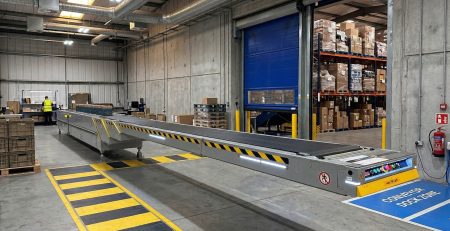
- Parcels being passed hand to hand because the conveyor cannot reach them appropriately
- Trailers backing up behind slower van loads
If vans consistently cause disruption at the bay, it shows that the dock layout was not designed for the fleet it now serves. This mismatch becomes especially painful during peak, when the proportion of smaller vehicles often increases due to subcontractor and last mile demand.
3. Your busiest door behaves like a single point of failure
Most depots have one or two doors that carry disproportionate traffic due to workflow, yard configuration or sortation alignment. When these high utilisation doors begin to show strain, the entire dock feels it.
Look for patterns such as:
- Operators rushing to clear a single door while others stand idle
- Maintenance issues on the busiest bay causing immediate queues
- Traffic management or shunting required to keep that door moving
- Teams proactively avoiding certain doors because they slow down loads
These behaviours indicate that door capacity is already tight. In peak season, when every door must run consistently, any congestion at a critical bay cascades across the whole shift.
4. Operators show signs of fatigue long before the end of the shift
Physical strain is one of the clearest predictors of peak season failure. If teams working in normal conditions already show signs of fatigue or discomfort, the dock will not withstand the increased physical load of peak.
Early indicators include:
- Slowed body language after the first couple of hours
- Increased climbing in and out of vehicles
- Rising musculoskeletal complaints
- Reliance on temporary or inexperienced workers due to churn
- Inconsistent loading quality late in the shift
When physical effort becomes the limiting factor, throughput becomes unpredictable. In peak, unpredictability is the enemy of on time performance.
Why These Four Signs Matter More Than They Appear
On their own, each indicator looks manageable. But together they create a dock environment that becomes brittle under pressure.
The pattern is simple:
Slightly Slow Loads → Larger Queues → Tighter Departure Windows → Late Arrivals → Reduced Last Mile Capacity.
Peak season magnifies every small delay. What slows a depot by minutes in ordinary weeks becomes a major operational risk during high volume periods.
This is why the most resilient hubs treat dock performance as a core strategic issue, not just an operational detail.
What You Can Do Before Peak Without Major Investment
While long term improvements often require equipment or layout changes, there are several impactful steps depots can take immediately:
1. Map your current dwell times by door and vehicle type
This gives a clean baseline and reveals which bays create the most delay.
2. Standardise loading patterns for vans and trailers
Clear, consistent methods reduce variation and stabilise cycle times.
3. Improve shift planning around physical intensity
Rotating teams away from the toughest bays can minimise fatigue related slowdowns.
4. Rebalance your door allocation logic
Small changes in which vehicles go to which door can prevent overload on the busiest bay.
5. Increase visibility around the dock
Better lighting and clearer staging reduce time wasted repositioning or searching for space.
These actions won’t eliminate structural issues, but they will strengthen day to day resilience and provide a more stable foundation for peak season.
The Bottom Line
Most peak season failures begin at the dock, not on the sorter. The four signs outlined above are reliable early warnings that your loading bays may not be ready for the pressures ahead. By spotting them early and taking practical steps, depot leaders can protect throughput, safeguard their teams and maintain service levels when they matter most.