Why Manual Handling at the Dock Drives More Cost Than You Think
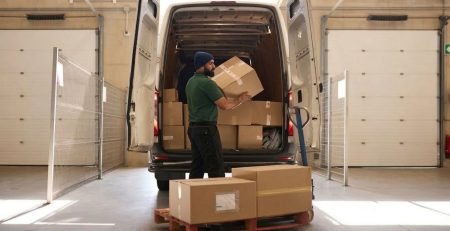
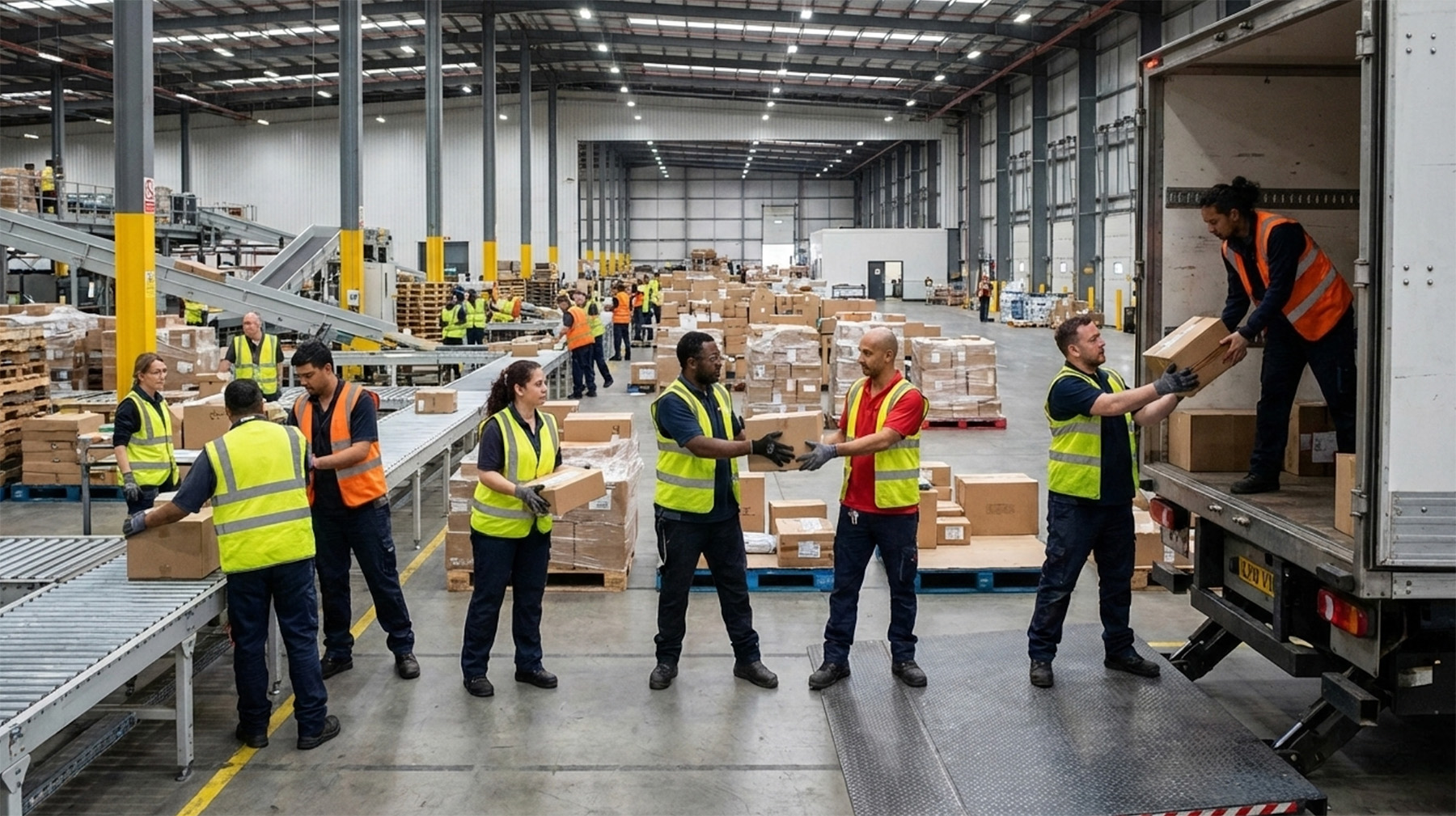
Loading and unloading at the dock is one of the most physically demanding jobs in a parcel depot. It involves bending, lifting, twisting, climbing in and out of vehicles and moving thousands of parcels over a shift. Most operators acknowledge that it is tough work, but many still underestimate the full financial impact of heavy manual handling at the loading bay.
The true cost is not only measured in injuries or compensation claims. Manual handling affects throughput, labour efficiency, fatigue, retention, staffing levels, training costs and even customer service performance downstream. What looks like a simple physical task is actually a major cost centre hiding in plain sight.
This article explains why manual handling has such an outsized impact on operational performance, the subtle ways it erodes productivity and the early warning signs that your dock may be carrying hidden costs.
Why Manual Handling Becomes a Structural Cost, Not an Isolated Task
Manual loading has historically been seen as unavoidable. Many depots still run with fixed platforms, gravity conveyors or completely manual processes inside vans and trailers. The assumption tends to be that adding more people solves the problem. In reality, manual loading creates several structural issues.
1. It is physically demanding in a way that is hard to scale
No matter how motivated or experienced operators are, the task itself works against consistent throughput. Fatigue builds across the shift, and the pace naturally drops, especially:
- During peak volumes
- On overnight shifts
- When handling larger or odd shaped parcels
- When operators work inside deep trailers
Even small drops in pace accumulate into significant delays over a day.
2. Repetitive strain leads directly to higher absence
Lifting, twisting and overhead reaching are among the most common contributors to musculoskeletal disorders. These injuries:
- Reduce capacity at short notice
- Increase dependence on temporary staff
- Raise insurance and absence related costs
- Reduce the experience level on the floor
In busy depots where margins are tight, these issues compound.
3. Manual tasks are difficult to standardise
Two operators will rarely move at the same speed or use identical movements. This inconsistency appears as:
- Unpredictable loading times
- Poorly aligned departure waves
- Variation in parcel quality or placement in the vehicle
- Difficulty planning shifts with accuracy
In other words, manual handling introduces variability into one of the most time sensitive areas of the network.
How Manual Handling Quietly Reduces Throughput
The link between manual handling and throughput loss is not always obvious, but it shows up in several clear ways.
More walking, climbing and repositioning than most realise
Operators often spend more time moving to and from the vehicle than physically loading it. Repeated steps in and out of the trailer add minutes to every cycle.
Mixed fleets add even more strain
Smaller vans force operators to bend lower and twist more awkwardly. Larger trailers require extended reaches deep into the vehicle. This constant change of posture slows down both pace and accuracy.
Fatigue reduces decision making speed
Tired operators do not just move more slowly, they also handle parcels less efficiently, creating subtle friction points that accumulate into slower flow.
One slow load affects the next
Because docks operate as a sequential system, a single delay caused by manual handling slows everything behind it. This ripple effect is one of the biggest hidden costs of manual loading.
These factors explain why reductions in manual handling often correlate directly with faster vehicle turnaround.
Labour Availability: The Silent Driver of Cost
Many depots rely heavily on agency workers to support peak volumes or cover absence. Manual handling jobs are particularly hard to fill for three reasons:
- The work is physically tough
People burn out quickly or choose easier warehouse roles elsewhere. - Skill builds slowly, but churn is high
New staff require training, and just as they become efficient, many leave. - Absence rises at the exact moment pressure peaks
As physical strain increases, so does sick leave, forcing depots to bring in new workers who need even more guidance.
The result is a constant loop of training, inconsistency and additional supervisory effort.
The Hidden Costs No One Tracks on a Dashboard
Beyond injuries and paid hours, manual handling drives several indirect costs that often go unreported.
1. Slower speed reduces total vehicle throughput
If your depot can load three fewer vehicles per shift due to slower manual tasks, the whole network absorbs the delay.
2. OT and backfill hours creep upward
Many operators do not connect rising overtime to manual handling fatigue, but the link is strong.
3. Morale and retention drop
Physically demanding bays consistently score lower on engagement surveys, which leads to higher churn and lower productivity.
4. Operational planners lose predictability
If loading times swing by fifteen to twenty minutes depending on who is working, accurate planning becomes almost impossible.
Over time these hidden costs can exceed the investment required to modernise the dock in the first place.
Clear Signs Your Dock Is Carrying a Manual Handling Burden
Look for these early indicators:
- Operators frequently climbing in and out of vehicles
- Noticeable slowdowns at night or late in shift
- Vans consistently taking longer than trailers
- A high proportion of inexperienced or temporary staff on the dock
- Visible fatigue, especially in peak periods
- Rising musculoskeletal complaints or reported near misses
These indicators show where physical strain is undermining throughput.
Early Improvements That Don’t Require Capital Investment
Even without new equipment, depots can take steps to lower the physical burden.
- Improve positioning of parcel cages and staging areas: Reducing walking distance immediately cuts unnecessary movement.
- Standardise the loading pattern and task sequence: Clear consistency reduces variation and keeps cycle times predictable.
- Add simple ergonomic aids: Better lighting, anti slip mats or small step platforms can make loading safer and faster.
- Rotate teams intelligently: Shifting the most physical roles prevents one group carrying the entire strain.
- Track dwell time by shift and vehicle type: This exposes where manual handling has the biggest impact, giving planners better control.
These improvements help ease today’s pressure while building the case for more strategic upgrades later.
The Bigger Operational Picture
Manual handling is not just a labour issue. It is a throughput issue, a safety issue and ultimately a network performance issue. Depots that reduce physical strain at the dock typically see:
- Faster and more consistent loading
- Fewer injuries and better retention
- Lower overtime
- Improved schedule reliability
- More resilient performance in peak season
Treating manual handling as a strategic cost rather than a background task is one of the fastest ways to improve the reliability of a depot.