The True Cost of Downtime at a Single Dock Door
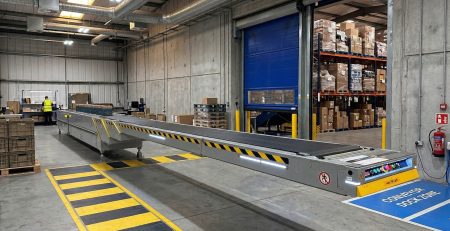
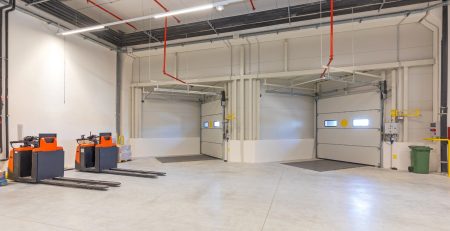
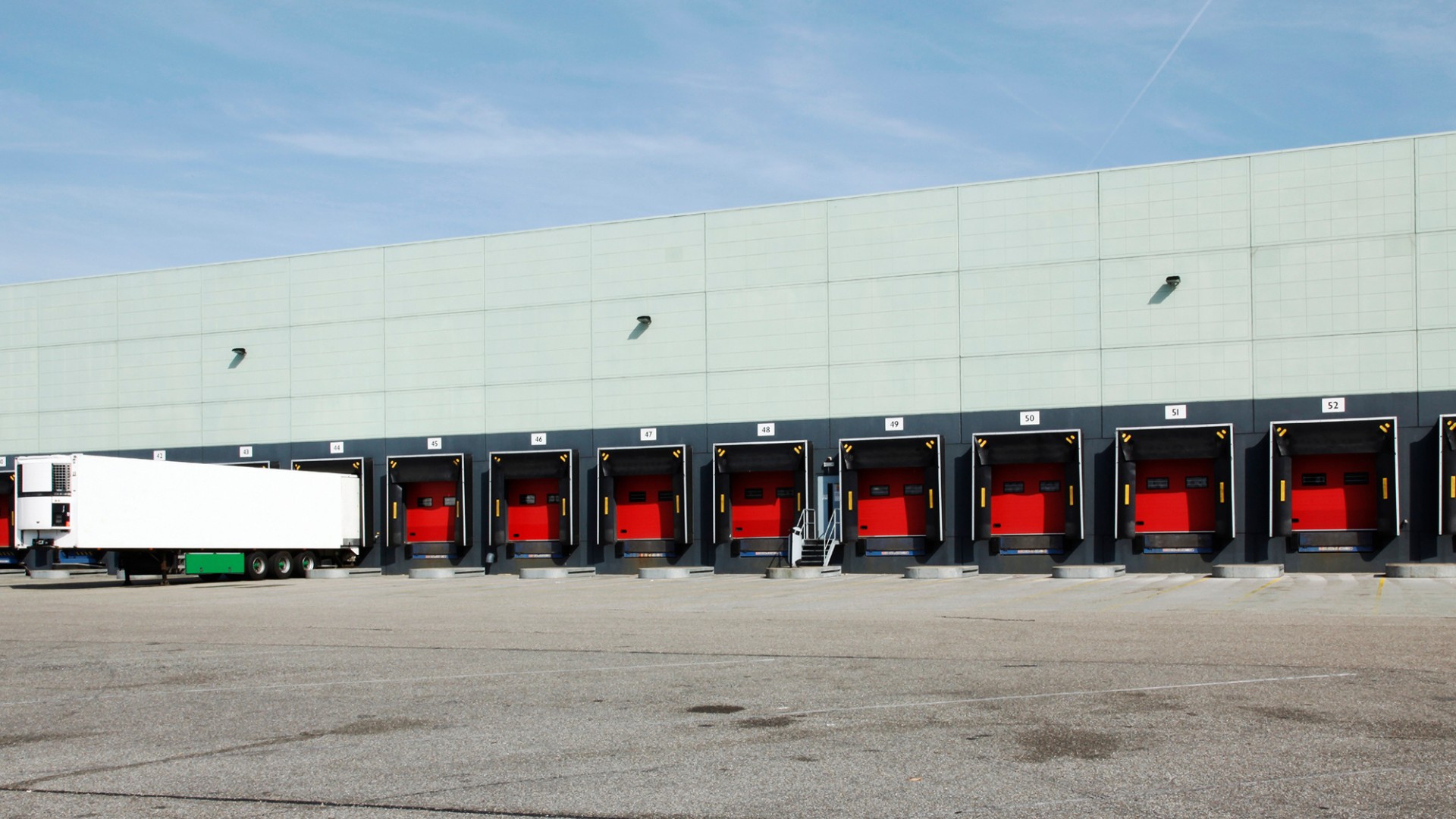
In most parcel depots, the loading bay looks deceptively simple: a row of doors, each serving one vehicle at a time. Because the area appears straightforward, many operations teams underestimate how much a single door contributes to daily throughput. The reality is that each dock door is a high value asset. When even one goes down, the ripple effects spread far beyond the immediate bay.
Downtime at a single door does not just create delays. It tightens departure waves, raises labour costs, reduces trailer utilisation and destabilises the entire shift plan. In peak season, the impact can be severe enough to affect service levels across the region.
This article breaks down the true operational and financial cost of dock door downtime and outlines steps teams can take to protect capacity before pressure hits.
Every Dock Door Is a Throughput Engine
To understand why downtime matters, it helps to think about each door as a throughput engine. Regardless of the size of the depot, every bay contributes a share of the total daily capacity. When that door is unavailable:
- Fewer trailers can be turned around
- Vans wait longer in the yard
- Loading sequences become more complicated
- The remaining doors take on additional strain
In other words, the capacity of the entire depot shrinks.
Even a modest depot serving twenty to thirty vehicles per shift relies on each door running consistently. Lose one bay and you do not lose five percent capacity. You lose the throughput of every vehicle that door would have turned.
The Financial Impact Builds Faster Than Expected
Downtime creates several layers of cost that build on top of one another.
1. Increased labour to recover delays
When the dock loses capacity, operators must clear backlogs later in the shift. This usually means:
- Overtime
- Additional agency staff
- Extra supervision to maintain pace
Labour costs rise long before anyone notices they are rising.
2. Delayed departures that affect the wider network
Late departures from one depot create late arrivals at the next. This causes:
- Compressed processing windows downstream
- Failed arrival cut offs
- More pressure on the final mile team
- Penalties or service credits from retail partners
Downtime in a small bay becomes a network wide issue.
3. Reduced trailer utilisation
When trailers depart late:
- They sometimes run half empty
- The linehaul cost per parcel rises
- Extra linehaul resources may be needed to recover the backlog
This makes the operation more expensive at exactly the moment margins are tightest.
4. Cost of missed or delayed loads
If a bay remains down long enough, certain loads simply miss their slot.
Recovering those loads often requires:
- Extra shunting
- Additional route miles
- Manual sorting
- Last minute load reshuffling
These actions quickly stack into significant unplanned cost.
The Operational Knock On Effects Are Even More Damaging
The biggest impact of downtime is not financial. It is disruption to operational flow.
1. More congestion in the yard
Vehicles waiting for limited doors create queues, block manoeuvring space and slow down shunters.
2. Higher strain at adjacent bays
When one door is down, others must pick up the slack.
This increases:
- Physical strain
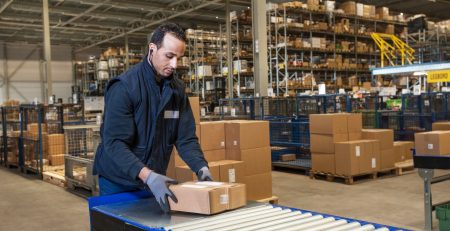
- Manual handling
- Operator fatigue
Which in turn increases the likelihood of mistakes or injuries.
3. Increased variability in dwell times
The dock becomes less predictable and schedule adherence declines, especially for mixed fleets.
4. More reactive decision making
Managers must continually reshuffle bays, reassign operators and adjust the plan on the fly.
This erodes consistency and makes the shift feel unstable.
Under peak pressure, these factors compound quickly.
Why Some Doors Go Down More Often Than Others
Not all doors have the same risk profile. The bays most likely to go down share common characteristics:
- They work with the highest vehicle volume: High utilisation increases wear and shortens service intervals.
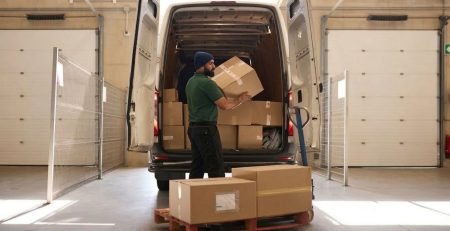
- They handle the most complex tasks: For example, bays that serve both vans and trailers see more awkward loading movement.
- They sit in older parts of the dock line: Historic maintenance issues and older equipment create vulnerabilities.
- They rely on manual workarounds: Any bay that depends on operators improvising is more likely to experience incidents or slowdowns.
The bays most relied upon are usually the bays most at risk.
Practical Steps to Reduce the Risk of Door Downtime
These no or low cost actions help protect capacity before failures occur.
- Prioritise preventative maintenance on high utilisation doors: Not all doors need the same attention. Focus on the bays that have the biggest throughput impact.
- Analyse dwell time trends by bay: If one bay shows creeping increases, it may be heading toward a breakdown or operational strain point.
- Improve ergonomics to reduce operator fatigue: Less strain means fewer mistakes, less downtime and smoother throughput.
- Track vehicle type usage per bay: A bay consistently serving vans and trailers may need adapted processes or equipment to reduce stress.
- Ensure clear access and staging around busy bays: Congestion around a high utilisation door makes that bay more vulnerable to operational failures.
- Standardise processes across shifts: When each shift uses different patterns, risk increases. Stability prevents interruptions.
Why Every Depot Should Treat Dock Capacity as a Strategic Asset
Depots often focus heavily on the sorter, but the dock is the asset that makes or breaks throughput during peak season. Maintaining door availability is not just a maintenance issue. It is a strategic performance issue.
When every door runs consistently, depots experience:
- Fewer delays
- More predictable departure waves
- Lower labour cost
- Reduced peak stress
- Stronger service levels
- Higher resilience during unforeseen spikes
Protecting door uptime is one of the highest leverage actions a parcel hub can take.
The Bottom Line
A single dock door going down can disrupt an entire depot far more than most teams realise. The operational and financial impact accumulates rapidly, from overtime and missed departures to increased strain and reduced network performance. Treating dock doors as critical throughput assets helps depots protect capacity, manage risk and maintain reliability when it matters most.