The Most Common Retrofit Mistakes in Warehouse Automation Projects
Most automation projects today take place in brownfield sites. Very few operators are building new facilities from the ground up, which means integrators spend most of their time fitting modern automation into buildings that were never designed for it. Retrofitting offers huge benefits, but it also brings a predictable set of challenges that can easily derail timelines, inflate costs or compromise system performance if not addressed early.
This article highlights the most common retrofit mistakes seen in warehouse automation projects. These issues show up again and again, whether the project involves conveyors, sortation, AMRs or loading equipment. By recognising them early, integrators can avoid unnecessary risk, reduce engineering hours and strengthen the reliability of their final design.
1. Designing for the Drawings Rather Than the Real Site
The most frequent mistake in retrofit work is assuming the building matches the plans. In practice, warehouses evolve over time. Floors settle, racking migrates, previous contractors leave surprises behind and clearances shrink in ways no CAD file reflects.
Common traps include:
- Flooring levels that vary more than expected
- Obstacles not captured in original documentation
- Outdated lighting or power layouts interfering with install points
- Dock heights or thresholds misaligned with the current fleet
- Beams, drains or ducts obstructing equipment paths
The result is frustration on site, unplanned structural work and redesign at the very moment teams want to be commissioning.
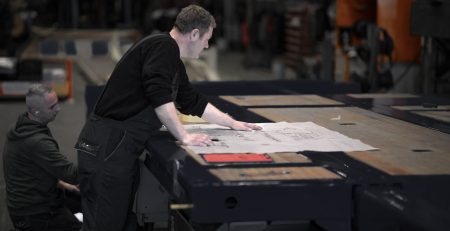
The safest integrators now carry out meticulous pre design surveys. Laser scanning, floor flatness checks and on site fit validations remove guesswork and prevent late stage delays.
2. Underestimating the Dock Zone
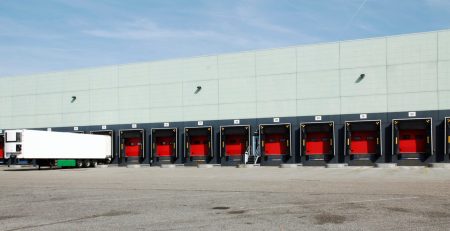
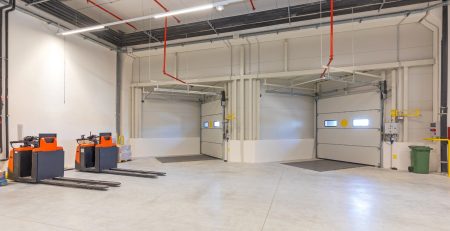
Many warehouses were built around trailer height docks, long before mixed fleets, automation or high parcel volumes became the norm. As a result, the dock zone is often the least automation ready area of the building.
Typical challenges include:
- Dock levellers and pits that restrict equipment positioning
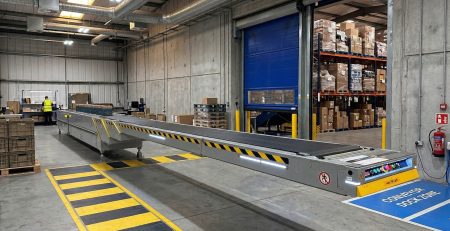
- Bays too narrow for modern conveyors or robotic loaders
- Height mismatches with vans and low floor vehicles
- Limited space for lateral movement or multi bay coverage
- Congested staging areas that block installation access
The dock is also where manual handling, safety risk and throughput pressure converge. When this zone is treated as an afterthought, it becomes the single biggest constraint on the wider automation project.
High performing integrators treat the dock as a core design component rather than a peripheral detail.
3. Relying on Closed or Proprietary Controls
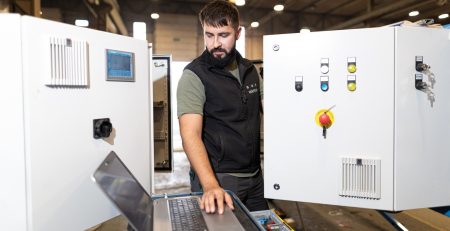
From an integration perspective, closed systems generate hidden cost. When a subsystem uses non standard controls or restrictive communication protocols, engineers are forced to build custom interfaces just to achieve basic functionality.
The cost shows up as:
- Longer commissioning time
- Increased troubleshooting effort
- Unpredictable interactions with WMS or PLC logic
- Difficulty integrating safety circuits
- Reduced visibility of performance data
Open, integration friendly controls reduce this friction. Standard communication protocols and transparent interface documentation are no longer nice to have. They are essential for keeping commissioning predictable and safeguarding the integrator’s reputation.
4. Ignoring Multi Bay or Multi Vehicle Requirements
Brownfield sites almost always have fixed dock layouts and limited space. Integrators who design one machine per bay often introduce unnecessary cost for their client, while also restricting future flexibility.
Two oversights appear frequently:
- Not planning for lateral movement across bays
In a retrofit environment, the ability to service two doors with one piece of equipment can significantly reduce capital expenditure and installation time. - Not accounting for multiple vehicle types
Many docks were built for trailers, yet modern fleets include vans, rigids and subcontractor vehicles. Solutions that assume a single height or geometry create slowdowns, unsafe workarounds and more complicated loading patterns.
The best retrofit designs embrace modularity, multi bay capability and the ability to handle mixed fleets without reconfiguring the building.
5. Failing to Consider Future Throughput Growth
A retrofit project often begins by addressing a current pain point, usually throughput or labour pressure. But warehouses rarely remain static. Volumes climb, fleet mixes evolve, and customer targets tighten.
Common future readiness mistakes include:
- Designing for today’s volumes rather than peak volumes
- Selecting equipment with no room for extension or added functions
- Allowing constraints at the dock to cap future capacity
- Choosing solutions that are cost effective now but restrictive later
A better approach builds flexibility into the layout, leaving room for additional automation, extended reach, multiple vehicle types or upgraded handling flows.
6. Overlooking Maintainability in Confined Spaces
Retrofitted equipment often ends up in tight spots. If machines require awkward access for belt tensioning, tracking adjustments or motor inspections, maintenance teams will struggle to keep them reliable.
Poor maintainability leads to:
- Higher lifetime service costs
- Longer downtime for simple issues
- Reduced confidence from the operations team
- More frequent contractor call outs
- Slower response in peak periods
Future proof retrofit design always considers how equipment will be serviced in the space it occupies, not just how it performs on day one.
7. Insufficient Collaboration Between Integrator and OEM
Projects run smoothly when integrators and equipment manufacturers work closely from the beginning. In retrofit design, small misunderstandings create big problems later.
Weak collaboration can result in:
- Misaligned expectations on clearances or tolerances
- Last minute changes to mounting, interfacing or safety integration
- Delays in receiving models or documentation
- Mismatch between promised features and on site conditions
Integrators benefit most when suppliers provide accurate models, open control architecture and a partnership style approach that helps shape the design rather than simply responding to it.
8. Treating the Retrofit as a Technical Exercise Rather Than a Workflow Redesign
Automation in an existing building is never just about equipment. It must reshape how goods flow through the facility. When integrators focus only on the hardware, they risk replicating existing inefficiencies with more expensive tools.
Strong retrofit design considers:
- Parcel mix and handling patterns
- Operator ergonomics
- Safe working postures
- Dwell time per door
- Staging and consolidation space
- Future changes in fleet or service models
This shift in thinking moves automation beyond pure mechanics and into genuine operational improvement.
Why Smart Integrators Start at the Dock
Retrofitting modern automation into existing warehouses is always complex, but the most common mistakes are predictable and avoidable. By approaching the dock as a critical constraint, embracing open integration principles, designing for mixed fleets and planning for future growth, integrators can deliver more reliable systems with less engineering risk.
Thorough early planning and strong collaboration with OEM partners also reduce surprises, speed up commissioning and protect project margins. In a competitive automation market, avoiding these mistakes is often what separates successful integrators from those that struggle through costly redesigns.