The Hidden Bottleneck Slowing Every Parcel Hub
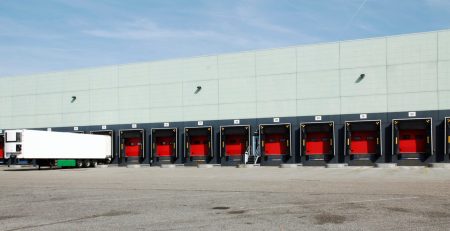
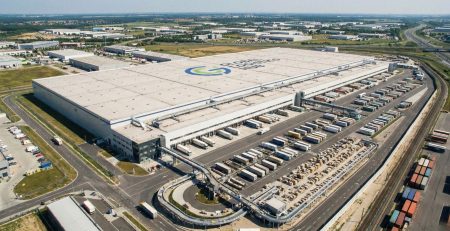
Most parcel networks invest heavily in sortation, planning software and linehaul capacity, yet the real limiting factor often sits in a far more ordinary place: the loading bay. When peak season hits, it is usually the dock rather than the sorter that brings a hub to its knees. The challenge is that many operators sense the pressure at the doors but cannot clearly explain why the dock behaves like a hard cap on throughput.
This article breaks down what really happens at the loading bay during peak, why doors and docks become the true system bottleneck, and how to spot the early warning signs. It finishes with practical steps that teams can take immediately, even without capital expenditure.
What Happens Inside a Typical Loading Bay at Peak
During steady periods a loading bay can look relatively calm. Parcels arrive at a manageable pace, vehicles come and go, and teams maintain flow. Peak season is different. Several patterns usually occur at once:
- Arrivals compress into narrower windows
Linehaul schedules tighten, parcel volumes rise and you get clusters of trailers hitting the yard at the same time. The dock team must suddenly process more vehicles with the same number of doors. - Manual work becomes physically harder and slower
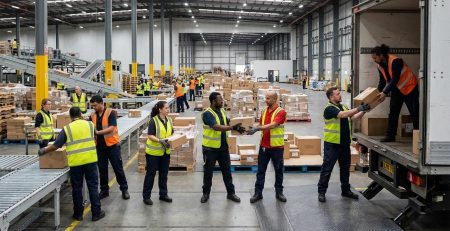
Loading and unloading are already repetitive, physical tasks. Add heavier volumes, fatigue, seasonal staff and colder overnight shifts, and the pace naturally drops. - Vehicle types vary more than the dock layout was designed for
Mixed fleets of vans, trunk trailers and subcontractor vehicles queue for doors that often assume a single height or configuration. Teams improvise solutions to bridge height gaps, which slows flow and increases risk. - Small delays compound into queues
A ten minute slowdown in one vehicle can delay every trailer behind it. A dock line that felt adequate in normal weeks becomes visibly overwhelmed once volumes rise.
None of these issues relate to the building’s sorter or upstream automation. They all converge at the dock.
Why Doors and Docks Become the Real Throughput Limiter
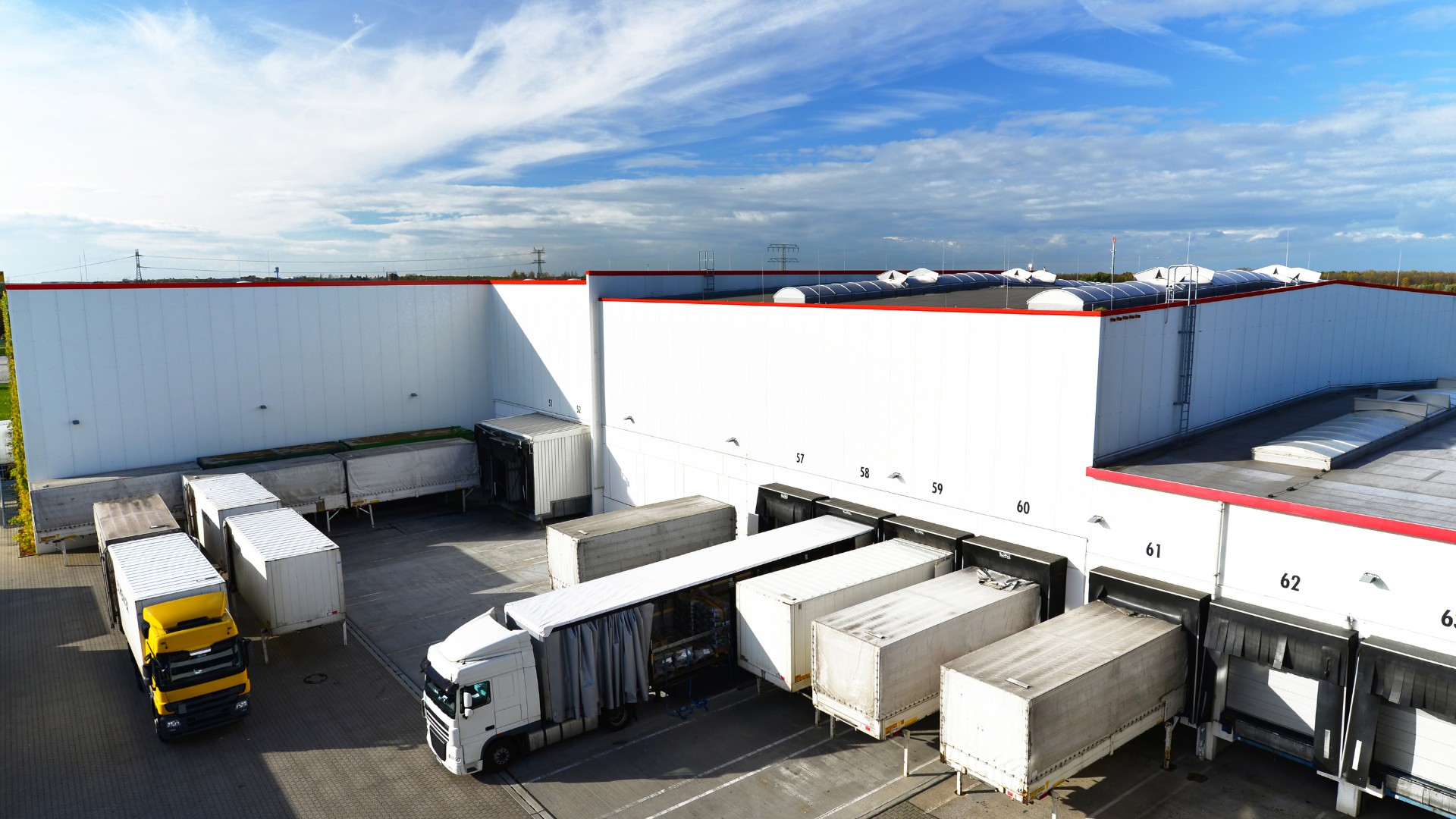
Loading bays control how fast vehicles enter and exit the system. This makes them a natural bottleneck, but three deeper reasons push them into becoming the hardest constraint during busy periods.
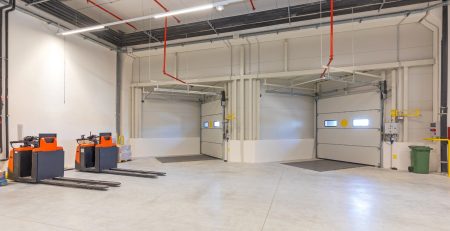
- The number of physical doors is fixed
Most hubs cannot add doors quickly or easily. Even when sortation speeds improve, they cannot move more volume out of the building if the dock cannot accept or release vehicles fast enough. - Traditional dock setups were never designed for today’s fleets
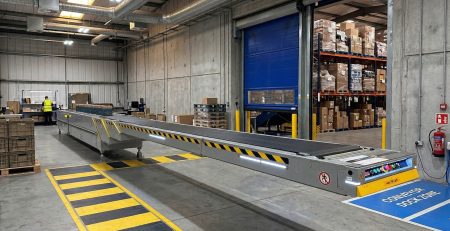
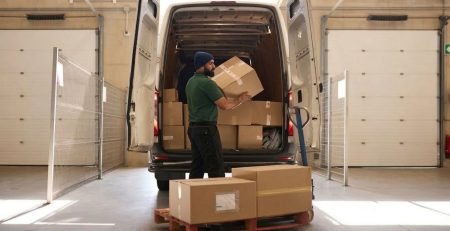
Many depots were built for trailer height vehicles. The rise of home delivery fleets and smaller vans means docks often don’t match the vehicles they serve. The result is slower loading, awkward manual handling and inconsistent turnaround times. - Manual processes scale poorly under pressure
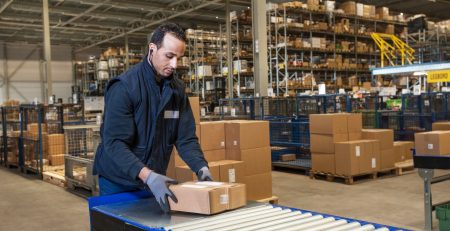
When loading relies heavily on people being inside the vehicle, fatigue, experience levels and individual speed become the limiting factors. As volumes rise, teams simply can’t move fast enough to prevent queues at the bays.
The combination of fixed door capacity, mismatched vehicle types and inconsistent manual processes makes the dock the point that governs hub performance.
How Dwell Time at the Dock Impacts the Whole Network
Dwell time is the killer of network performance. Even modest increases cause consequences across the operation:
- Longer queues in the yard: If each vehicle stays at the dock just ten minutes longer than planned, a queue can form before anyone realises what is happening.
- Compressed departure waves: Outbound trailers leave later, tightening linehaul windows and increasing the risk of missed arrival cut offs at downstream facilities.
- More overtime, higher labour costs: Teams stay later to finish the same number of vehicles. This erodes margins during the exact period when the network is under the most strain.
- Knock on delays for last mile delivery: Late departures cascade into late arrivals, which then push driver start times and reduce daily route capacity.
Most hubs try to solve this by increasing headcount, adjusting plans or changing shifts. But the true leverage lies in reducing dwell time at the dock itself.
Practical Signs You Have a Dock Based Bottleneck
You do not need complex analytics to spot a door bottleneck. Some of the simplest indicators appear on the shop floor:
- Queues of trailers forming even when the sorter is running smoothly
If inbound parcels are processed without issue but vehicles wait for bays, the dock is the constraint. - Operators frequently climbing in and out of vehicles
This is a strong indicator of inefficient manual handling and physical strain, both of which slow cycle time. - Vans and small vehicles regularly cause slowdowns
If smaller vehicles noticeably disrupt the flow, it is a sign the dock layout does not support mixed fleets efficiently. - Vehicles overrunning their allocated loading window
This is a classic sign of dwell time rising without being tracked formally. - The busiest door becomes a single point of failure
If one door down takes a significant portion of capacity with it, it means the dock line operates too close to its limit.
Spotting these patterns early helps operators act before peak volumes turn them into systemic delays.
Early Actions Operators Can Take Without Capex
While long term improvements often involve better equipment or redesigned layouts, there are several immediate steps that teams can implement with no capital investment.
- Standardise the loading process for each vehicle type
Clear procedures reduce variation between operators and shift patterns, keeping cycle times predictable. - Rebalance the labour allocation across doors
One overloaded door can create queueing even when others are quiet. Small adjustments in assignments can stabilise throughput. - Stagger vehicle arrival schedules where possible
Even modest coordination with the transport team can prevent artificial spikes in volume at certain times of day. - Improve lighting inside vehicles and at the dock
Better visibility reduces handling errors and speeds up work, especially at night. - Reduce unnecessary walking and climbing
Simple changes such as repositioning parcel cages or trolleys closer to the dock can take minutes off every cycle.
These actions won’t entirely remove structural bottlenecks, but they can give operators meaningful breathing room while bigger decisions are made.