Mixed Fleet Loading: The Problem Nobody Designed Your Depot For
Most parcel and logistics networks now run mixed fleets by necessity rather than choice. High volume trunk trailers, mid-sized rigid vehicles, subcontractor fleets and small last mile vans all pass through the same depots day after day. Yet the majority of loading bays were built at a time when trailer height vehicles were the norm. The result is a persistent mismatch between vehicle types and the dock environments that serve them.
This mismatch is one of the most common and costly issues in modern delivery networks, but it often goes unnoticed because teams work around it every day. Mixed fleet loading is not just a matter of convenience: it affects throughput, safety, labour efficiency and the overall resilience of a depot.
This article breaks down why this problem exists, how it shows up on the shop floor and what high performing operators are doing to address it.
Why Depots Were Built for Trailers, Not Today’s Fleets
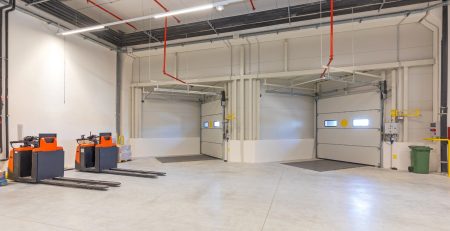
Most depots across Europe and the UK were designed when parcel volumes were lower and delivery fleets were far more uniform. Dock heights, bay spacing, vehicle clearances and manual handling flows all assumed one thing: a consistent trailer floor height.
The landscape has changed dramatically.
- The rise of e commerce has reshaped delivery fleets
Last mile demand has grown faster than trunking. Small vans have become the most common vehicles arriving at and leaving depots. - Subcontractor fleets add even more variability
Contracted drivers bring vehicles of varying heights and lengths that rarely match the original bay specification. - Trailer height remains essential for trunking
Hubs still rely on large trailers for long distance inter depot movements, and these vehicles need traditional dock heights.
Depots are now expected to serve vehicles at opposite ends of the height spectrum without the bays being designed to do so.
How Mixed Fleet Mismatch Impacts Daily Operations
The consequences stack up quickly when docks do not accommodate mixed fleets efficiently.
Manual workarounds slow down every load
When a van docks at a trailer height bay, teams must bend, climb, stretch or step off the edge of the platform simply to reach the floor of the vehicle. These awkward movements:
- Slow down the rate of loading
- Increase operator fatigue
- Create inconsistent cycle times
Height differences introduce unnecessary safety risks
Unsafe bridging boards, improvised ramps or repeated stepping between levels all raise the risk of slips, strains and musculoskeletal injuries.
Smaller vehicles disrupt the flow of trailers
One van that takes twice as long to load can create a queue that delays trailers behind it.
This is one reason why hubs often see sudden congestion in peak season even when the sorter is coping well.
Docks become underutilised
Some depots resort to holding vans away from certain doors, manually diverting them or shuffling vehicles around the yard. This reduces the actual working capacity of the dock.
In short, a dock built for trailers simply cannot support mixed fleets without compromise.
Why Mixed Fleet Loading Is Now a Strategic Problem
This mismatch used to be seen as an operational inconvenience. In today’s network, it has become a strategic threat for three reasons.
- Fleets are only becoming more diverse
Same day delivery, micro fulfilment and urban consolidation all rely on smaller vehicles. That trend will not reverse. - Labour availability is tight
If loading relies heavily on agility, climbing and physical manipulation, it becomes harder to staff consistently. The best depots design out physical strain rather than staffing around it. - Turnaround time drives the whole network
Delays caused by mixed fleet inefficiency ripple into departure schedules, linehaul performance and last mile productivity. A few slow vans can affect the entire hub’s output.
This is why some of the strongest operators have moved from workarounds to redesigning the way mixed fleets interact with the dock.
Clear Signs Your Depot Is Struggling with Mixed Fleet Loading
You may see these patterns daily without realising they point to the same underlying issue.
- Vans consistently overrun their target loading window: If smaller vehicles regularly take longer than planned, height mismatch is usually part of the cause.
- Operators climb in and out of vans repeatedly: This is one of the clearest indicators that the workflow is physically inefficient.
- Trailers wait behind vans in the yard: When vans slow down the door, the true cost is the delay to the larger vehicles behind them.
- Separate doors are unofficially designated for vans: This usually signals that the dock cannot handle mixed fleet flow without manual traffic management.
- Physical strain complaints increase on certain shifts: Lower vehicles demand more bending and twisting. If injuries or fatigue spike when more vans arrive, the link is clear.
If any of these patterns are present, mixed fleet loading is almost certainly costing time, labour and productivity.
Practical Improvements Operators Can Make Today
Not every improvement requires capital investment. There are several no cost or low cost adjustments that can stabilise mixed fleet operations.
- Create dedicated van loading procedures
Small changes such as standardised parcel cage placement or defined loading sequences reduce inconsistent movements. - Rebalance vehicle scheduling where feasible
Avoid clustering small vans in the busiest door during peak hours. - Improve the working platform for lower vehicles
Even modest additions like better lighting or anti-slip positioning aids reduce strain and improve speed. - Tighten communication between yard and dock teams
Mixed fleets need coordinated allocation. A slightly smarter routing of vehicles can smooth flow significantly. - Track dwell times by vehicle type
The fastest way to expose the cost of mixed fleet mismatch is to compare real loading times between vans and trailers.
All these steps help stabilise today’s operations while giving clear data on where the dock is struggling.
The Bigger Picture
Depots were never designed for the diversity of vehicles they now serve. The strain this creates at the loading bay is one of the root causes of dwell time increases, safety issues and unpredictable throughput. By understanding the mechanics behind mixed fleet loading and spotting the early indicators, depot leaders can begin to reshape the dock into a genuinely flexible, future ready asset.