Improving Dwell Time Performance Rather Than Just Equipment Uptime
The logistics industry has spent a long time treating uptime as the headline number. If the belt’s running, the job’s getting done. That’s not wrong, exactly, but it misses something important. A machine can run all day and still leave your trailers parked at the dock longer than they should be.
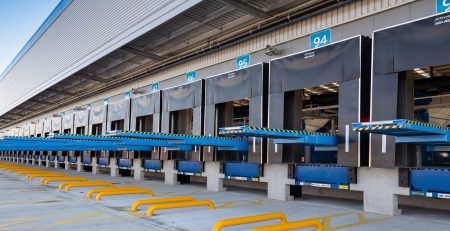
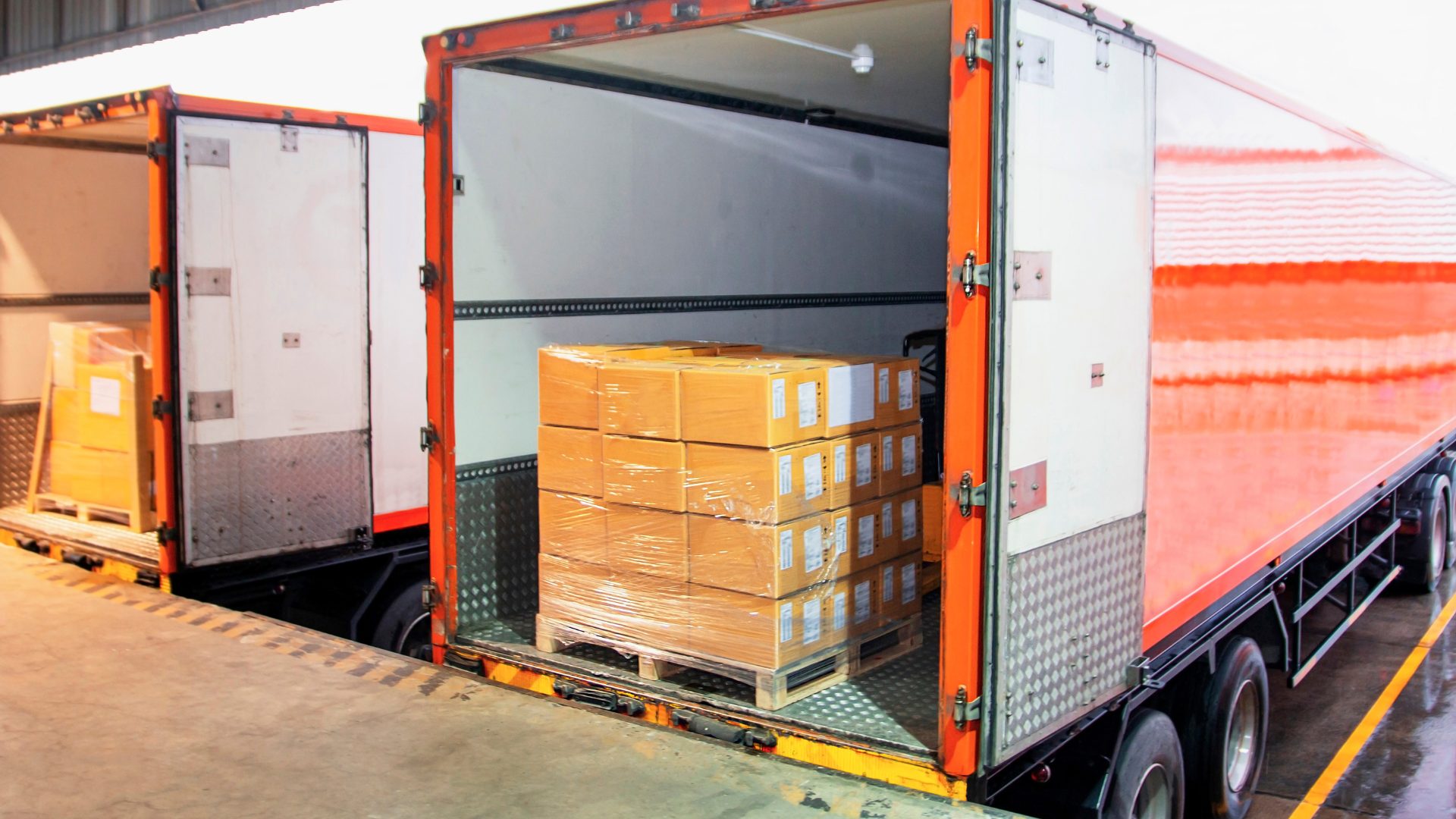
The number that actually tells you how a hub is performing is dwell time; how long a vehicle sits at the bay from doors-open to doors-closed. Every second a trailer is hooked up to one of our loaders ought to be a second spent shifting volume, not waiting on the equipment.
Where dwell time quietly gets eaten
A conveyor that’s “up” but slow to position, awkward to extend, or short of reach is a bottleneck, just one that doesn’t show up in the uptime stats. Operators end up walking parcels across gaps the machine can’t bridge. Tracking drifts and someone has to stop and adjust it. None of these are dramatic on their own. Across fifty bays running every shift, they add up to hours.
We attack this in three places.
1. Getting set up and packed away
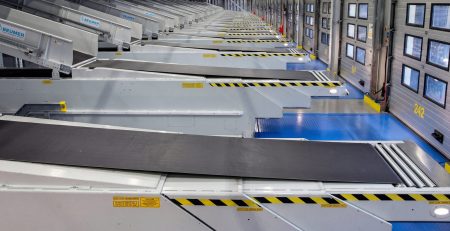
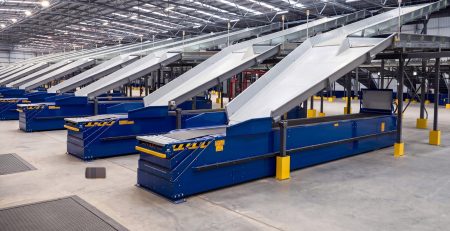
Time spent positioning the equipment is time the vehicle isn’t being loaded. The telescopic conveyors deploy quickly, intuitive side-mounted controls, a responsive motor, and the boom is at the face of the stack in seconds. A slow-down sensor handles the retraction so it’s quick without being reckless, and the trailer can pull away the moment the last parcel is scanned.
2. Cutting out the micro-stops
Uptime figures can be deceptive when they’re punctuated by dozens of thirty-second pauses. These are usually caused by the same small things: an envelope snagging in a finger trap, debris fouling a brush strip, something jamming at a transition point. Two design choices help here:
– The flush top plate keeps everything moving, heavy cartons through to poly-wrap bags, without the snag points older designs have between sections
– Close-fitting side strips replace the traditional brushes, which stops debris building up where it normally forces a stop for clearing
When the flow doesn’t get interrupted, dwell time stays where it should be.
3. Maintenance that doesn’t trap a trailer
The worst dwell-time event is a machine going down mid-load. We’ve moved belt tracking and tensioning to external adjustments, so minor drift gets corrected during a shift change or a quiet ten minutes, guards stay on, no full lockout, no trailer stuck at the dock while you sort out a problem that should’ve been a two-minute job.
Visibility on top of all this
You can’t optimise dwell time if you can’t see where it’s going. Our loaders can be specced with HMI display panels that give real-time status and alarm codes, so site managers can spot which bay is dragging and why. That’s the point where you stop chasing uptime as a number and start working on the rhythm of the whole yard.
The point
Uptime keeps the facility running. Dwell time is what tells you whether it’s actually performing. The equipment is built to deploy faster, reach further, and need less hands-on attention during a shift, which means trailers spend less time at the dock and more time on the road. The question isn’t really how long the machine has been on. It’s how quickly it got the next vehicle moving.